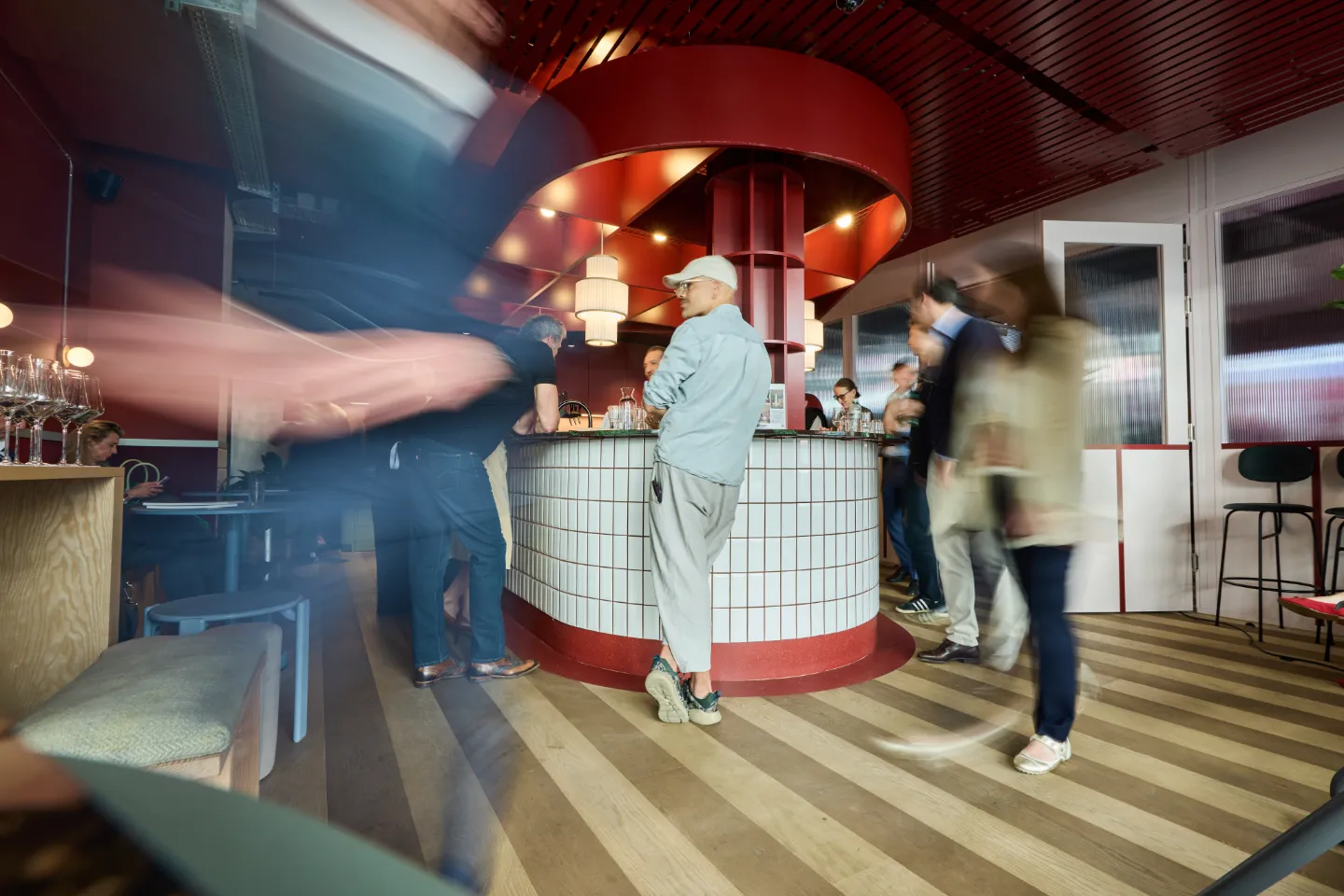
On resonance, restraint, and why the most coveted things cannot be purchased.
Let me begin with a question I posed at a recent keynote at The Future Summit TheNewNow in Zurich – and one I’d like you to sit with for a moment before reading on.
Why are you here?
Are you here in a having mode – accumulating, scanning, collecting perspectives to add to a growing pile of half-processed ideas? Or are you here in a being mode – genuinely present, willing to be moved by something, open to a thought that might quietly rearrange something in you?
Erich Fromm drew this distinction half a century ago. Two fundamental orientations toward life. In the having mode, we define ourselves by what we own, consume, and display. In the being mode, identity comes from what we actually experience, feel, and give. You cannot add being to a collection. You can only live it.
Luxury is dead
In 2022, I published an academic article declaring luxury dead. Not because beauty had disappeared, or because craftsmanship had vanished. But because luxury had been captured entirely by the having mode – an industry of managed desire, of hedonic pleasure over genuine flourishing, of conspicuous consumption as a reward for the relentless pace of modern life.
But something is shifting. More and more people are realising that more is not the answer. That what they are actually searching for cannot be owned, displayed, or added to a collection. It can only be lived.
Luxury is dead. Long live luxury.
The numbers confirm that something is giving way beneath the surface. In China, the tang ping – “lying flat” – movement has drawn millions of young people toward a deliberately minimal life. Drinking rates among 18 to 34 year-olds in the West have fallen to their lowest levels since surveys began. Global wine consumption in 2024 hit its lowest point since 1961. These are not lifestyle trends. They are signals. A generation quietly refusing to perform productivity and consumption on cue.
The German intellectual Hans-Magnus Enzensberger saw this coming – in 1996. Writing in Der Spiegel, he observed that the future of luxury would lie not in increase but in diminution, not in accumulation but in avoidance. The new luxuries he listed: silence, space, safety, a liveable environment, attention, time. Not things. Conditions. States of being. None of them available for purchase.
If the old luxury was driven by the having mode, the new luxury is driven by the being mode: what we genuinely need, but increasingly cannot find. Care. Orientation. Grounding. Real connection. Depth. Stillness.
Resonance
One concept captures this shift better than any other.
The sociologist Hartmut Rosa defines resonance as the experience of being genuinely touched and moved by the world – and of being able to respond to it. A vibrant relationship between self and world in which both sides are transformed. Resonance cannot be forced. It cannot be manufactured or purchased. It can only be called forth – and received.
And resonance is precisely what we are craving in a materially saturated world. One of the clearest signs of this longing is the quiet revival of craft – whether we do it ourselves, or whether someone does it for us with genuine skill and unhurried care. A tailor who fits a suit to your body. A service that makes you feel genuinely seen. Even run clubs: thousands of people choosing to run together, before dawn, for no other reason than the company and the rhythm. We are not searching for perfection. We are searching for presence.
It starts with you
Resonance, Rosa is clear, requires availability – a self that is not armoured, not perpetually optimising. And availability is not a state you can schedule. It demands self-reflection, the practice of genuine pause, and what I have come to think of as deliberate decompression.
The old paradigm was: accumulate, accelerate, optimise. The new one is: slow down, attend, relate.
Resonance is not a strategy. It becomes possible when the noise stops. The task is not to produce it. It is to stop preventing it.
So – what will you refrain from doing tomorrow? What will you let go of, to make room for resonance?
If you want to take a first step, accessible programmes designed to help you practise non-doing are available at fabioduma.com – where you will also find more about his forthcoming book “Nichttun – (M)eine Welt des Unterlassens”, to be published in September 2026.
About the author
Dr. Fabio Duma
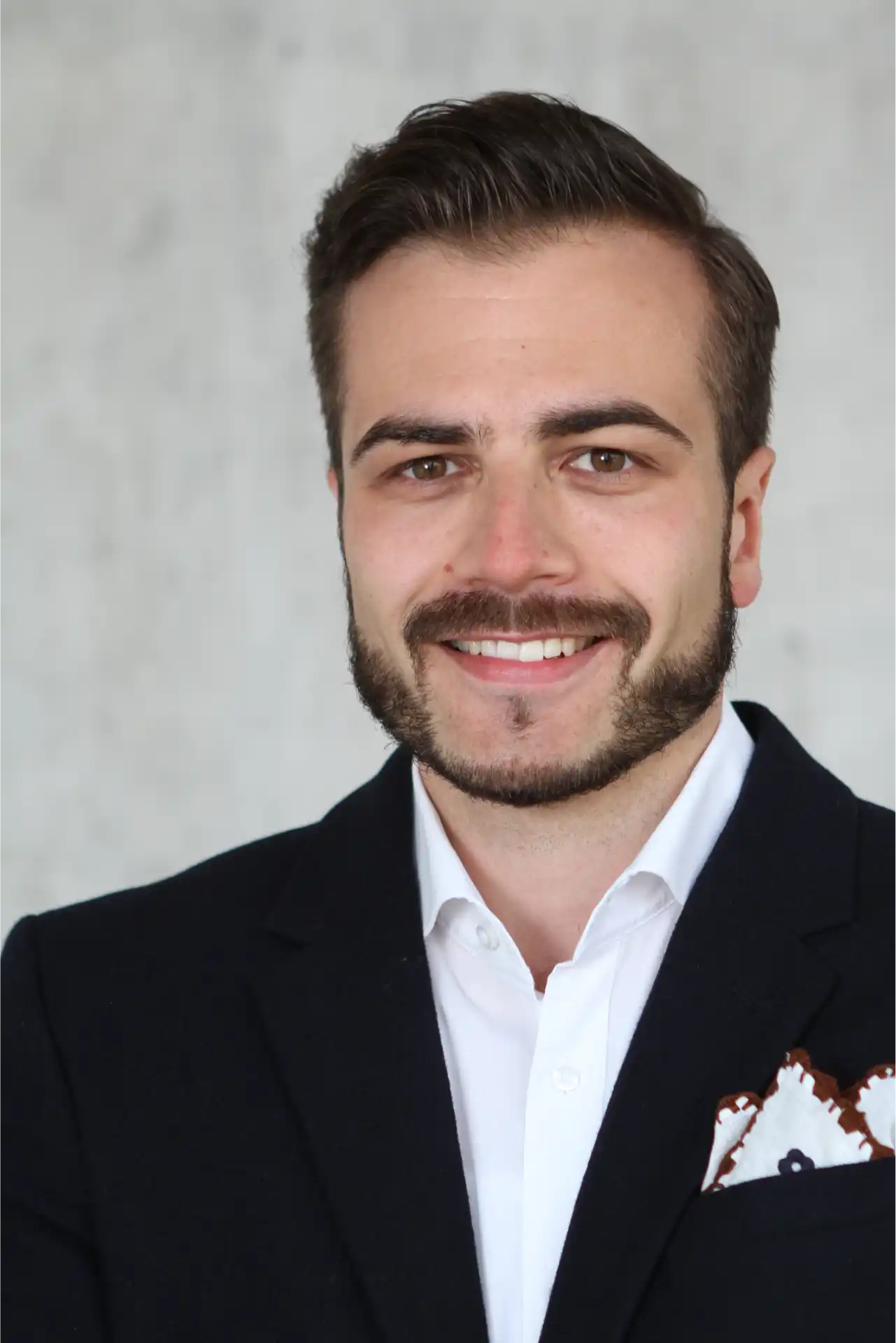
Dr. Fabio Duma holds a PhD from the University of St. Gallen and heads the Competence Team Luxury Management at the Zurich University of Applied Sciences (ZHAW). With over twenty years of professional experience across different roles and industries, he works with executives, entrepreneurs, and creative thinkers on inner development and lasting behavioural change. He is co-founder of Orbis Excellentiae — Circle of the Finest, an international association of independent purveyors of excellence, and co-founder of bellobenfatto.ch. He serves as Visiting Professor at EHL and IULM, and is a sought-after keynote speaker on the future of luxury, meaning, and leadership.